Best for
FABRIC FOR DINING CHAIRS for real projects
Choose fabric for dining chairs by food-adjacent cleanability, repeated-seat consistency, pattern scale, abrasion, and yardage for the whole set—not by one attractive swatch alone.
Why sample first?
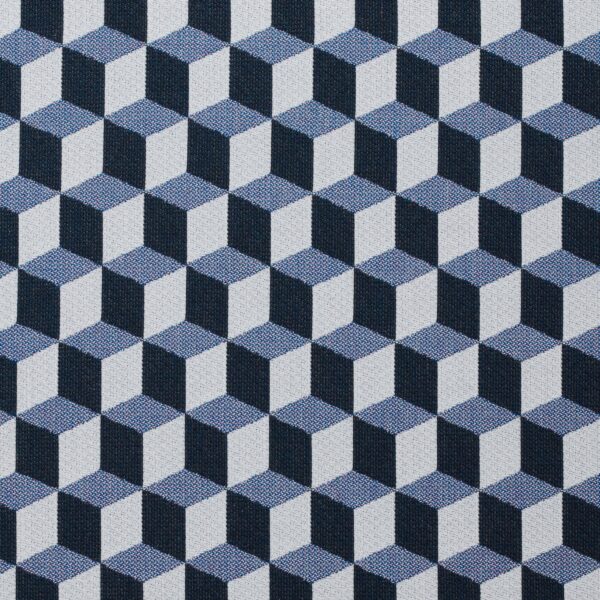
Dining chairs are small repeated surfaces, so a pattern that looks beautiful by the yard can look oversized or mismatched on six seats. Test the sample on the seat and back before yardage.


Quick decision paths
Choose by chair construction first: seat-only, seat-plus-back, arm chair, kitchen chair, or commercial dining seating.

Finished room view
Plan your project
Chair count, backs, welting, pattern repeat, and reserve fabric can change yardage. Build the fabric plan around the whole set before ordering.
Check color, hand, texture, and pattern scale in the room.
Use the calculator for a planning range.
Review repeat, seams, cushion style, and reserve fabric before ordering.
Yardage calculator
Use this as a planning tool after the sample and furniture type are clear.
Yardage education
Patterned fabric for dining chairs is cut for appearance, not just coverage. Repeats, stripes, railroading, and seams can change the final amount.
The left side shows motifs planned across cushions. The right side shows a shifted cut without enough repeat allowance.
Planning takeaway: matching cushions, backs, pillows, or welt may require additional yardage.
Answer-first collection guide
Choose fabric for dining chairs by the size of each seat and back, the number of chairs, and the cleaning instructions for the exact fabric. Check a sample on the chair in your dining-room light. Before ordering, ask your upholsterer to confirm fabric width, pattern placement, repeat allowance, and total yardage for the full set.
Best for
Sample checks
Avoid
Yardage
Full Dining Chair Selection
Browse all fabric for dining chairs.
Open the complete catalog to shop dining chair upholstery fabric available for sampling.
Curated dining chair fabrics
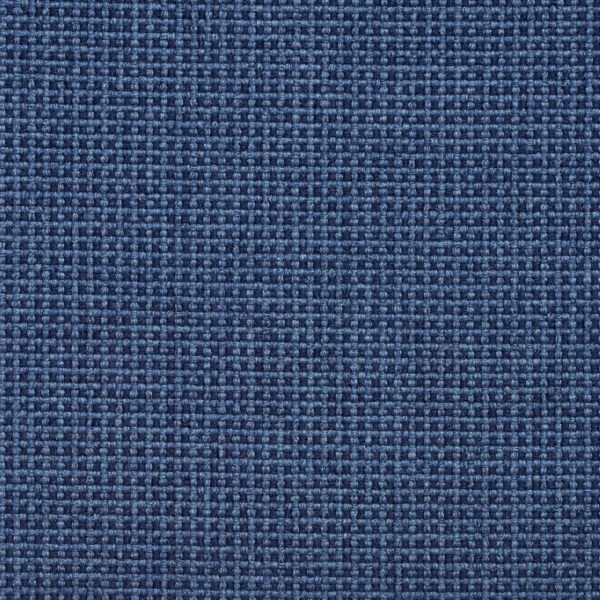
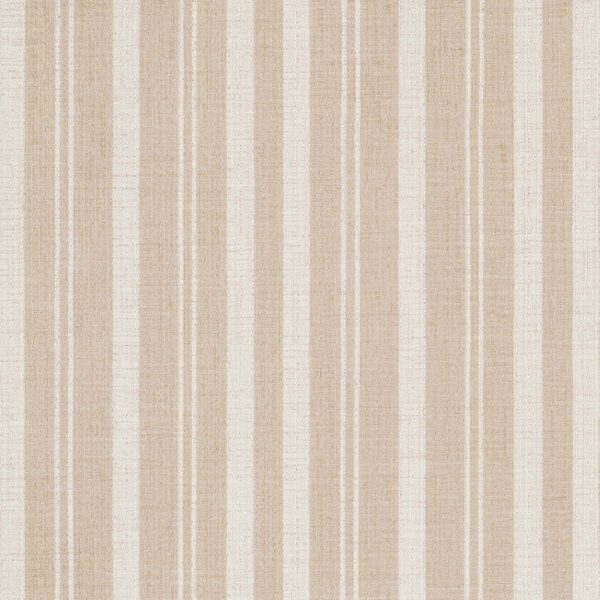
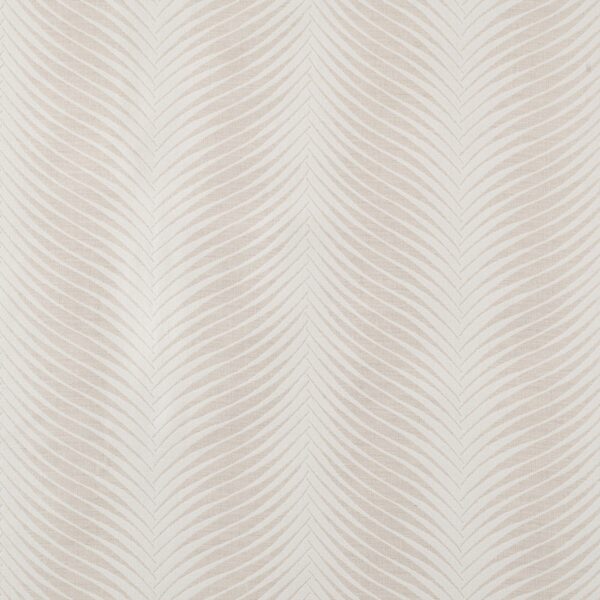
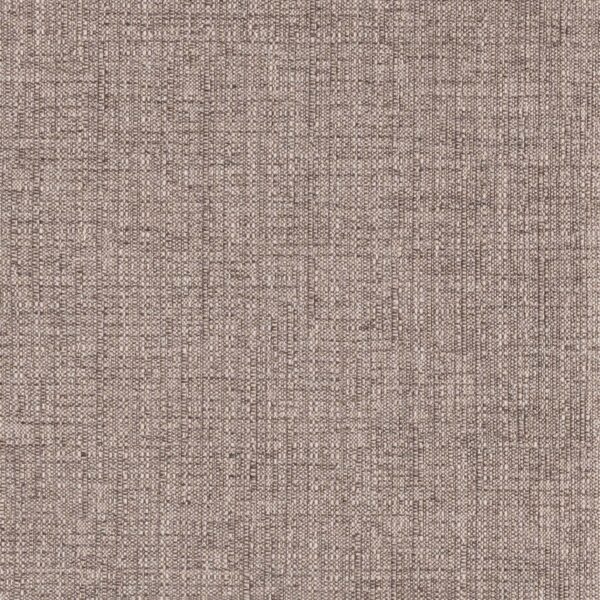
Use this curated fabric for dining chairs rail to build a focused sample shortlist before ordering yardage.
Curated dining chair fabrics
Use this curated fabric for dining chairs rail to build a focused sample shortlist before ordering yardage.
Curated dining chair fabrics
Use this curated fabric for dining chairs rail to build a focused sample shortlist before ordering yardage.
Mini guide
Dining Chair Pattern Repeat and Yardage Planner
Count chairs first, then separate seat-only from seat-plus-back construction. A small repeat may flow across six seats; a large motif may require intentional placement and extra yardage.
Comparison guide
Compare the feel, cleaning instructions, and pattern direction of each option, then check the exact fabric specifications before ordering samples or yardage.
Textured performance fabric
Velvet dining chair fabric
Sunbrella or Crypton
Frequently asked questions
Cleanable tight weaves, textured performance fabrics, small patterns, and forgiving mid-tones are often safer for dining chairs than delicate piles or oversized motifs.
Seat-only chairs often need less fabric than seat-plus-back chairs, but repeat, width, welting, chair count, and reserve fabric change the total. Confirm with your upholsterer.
Measure the widest and deepest parts of each upholstered seat and the height and width of any upholstered backs. Count all matching chairs and note piping, seams, and pattern direction. Give those measurements and the fabric width and repeat to your upholsterer for a cutting plan and final yardage.
Often yes for family dining, restaurants, and kitchen chairs, but the exact hand, texture, cleaning code, and sample scale still matter.
Yes, especially for formal or accent dining, but check pile direction, cleanability, and whether the velvet can handle sliding in and out of the chair.
Small-scale patterns, textures, and lower-contrast repeats usually work better than large motifs because dining chair seats are small surfaces repeated across a set.

Ready to shop?
One swatch has to work across every chair, every seat, and every meal.