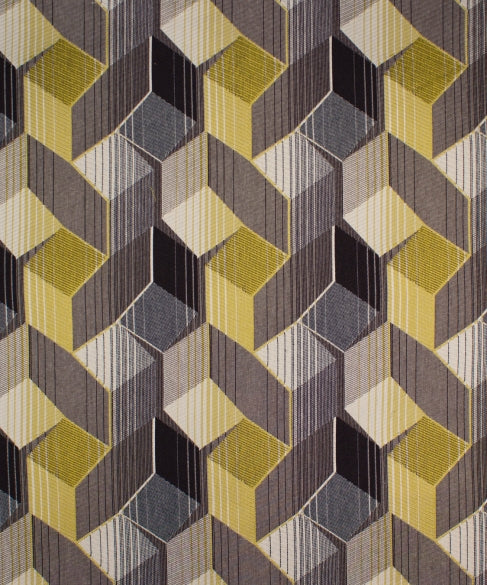
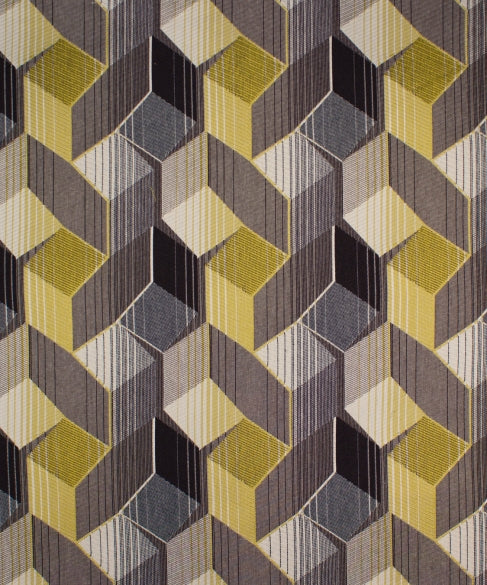
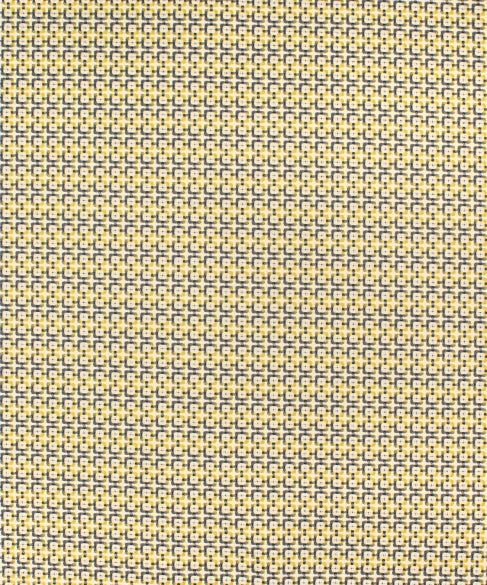
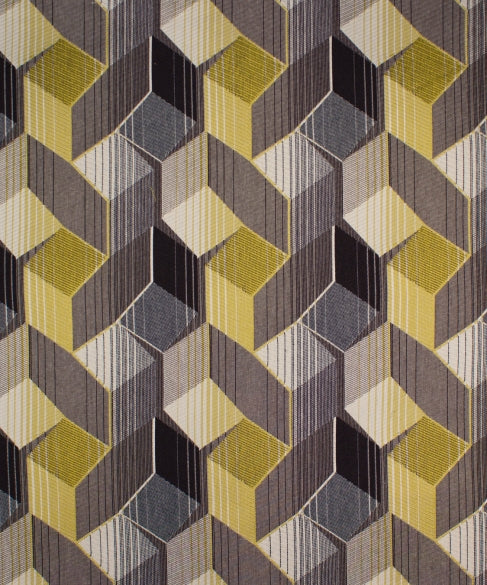
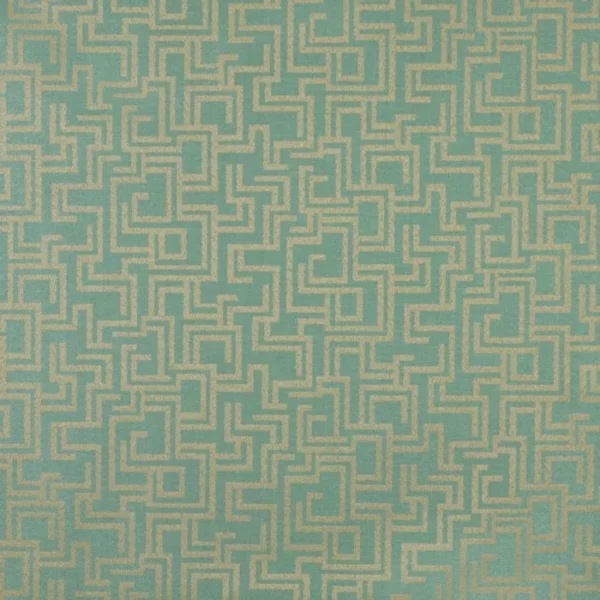
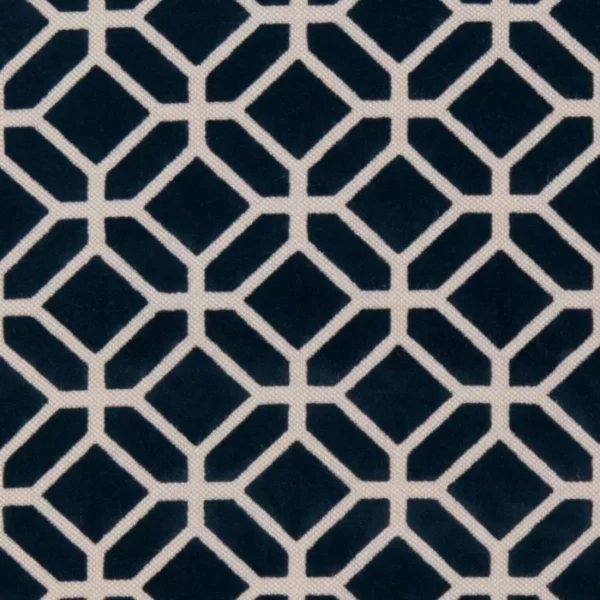
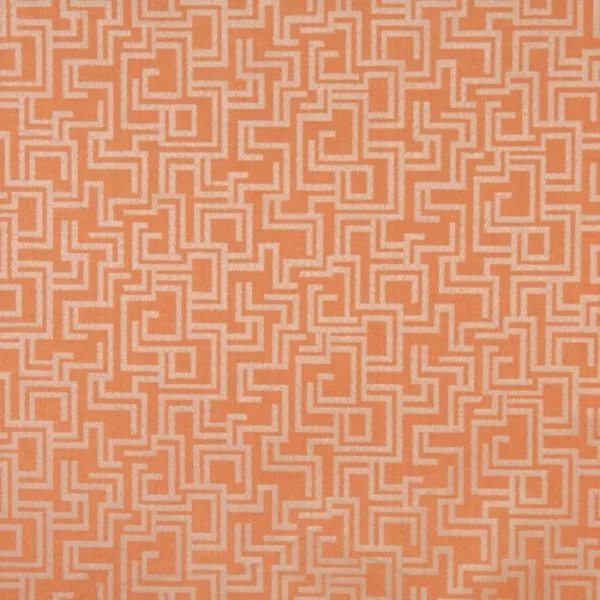
Geometric Upholstery Fabric With the Right Pattern Scale for Real Furniture
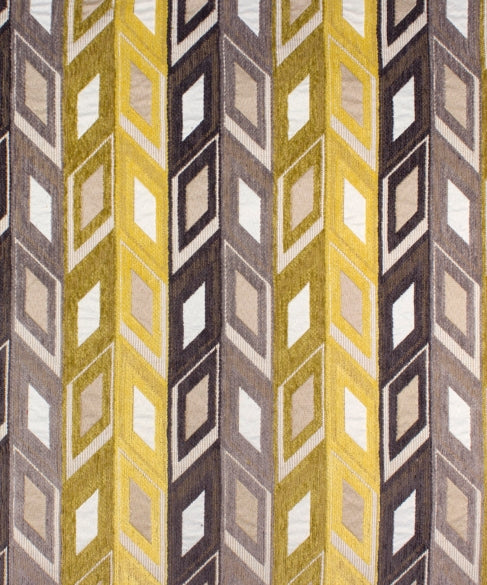
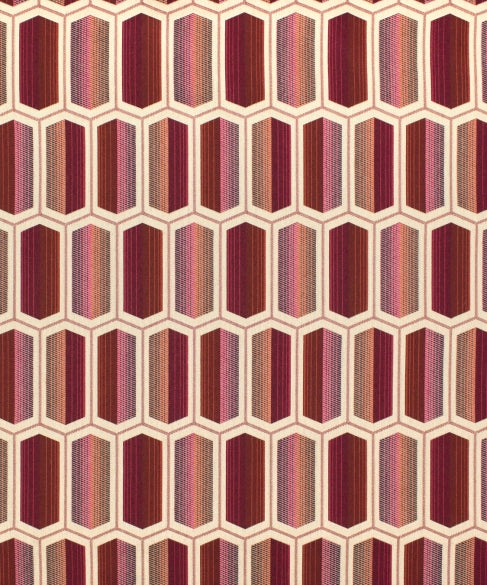
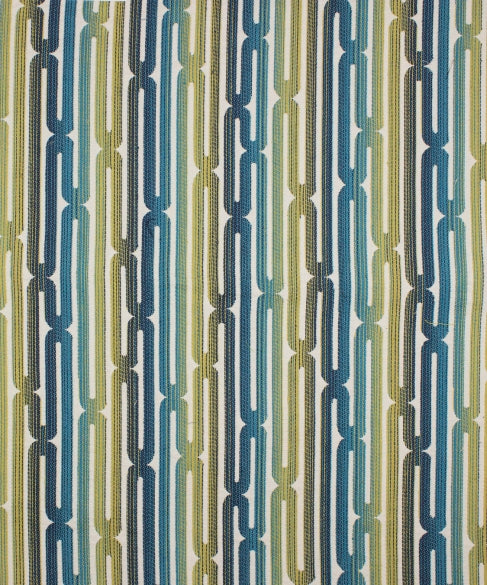
Geometric upholstery fabric lives or dies by scale: small geometrics can hide wear, while large diamonds, trellis, lattice, and maze patterns need careful repeat checks on arms, cushions, backs, and seams.
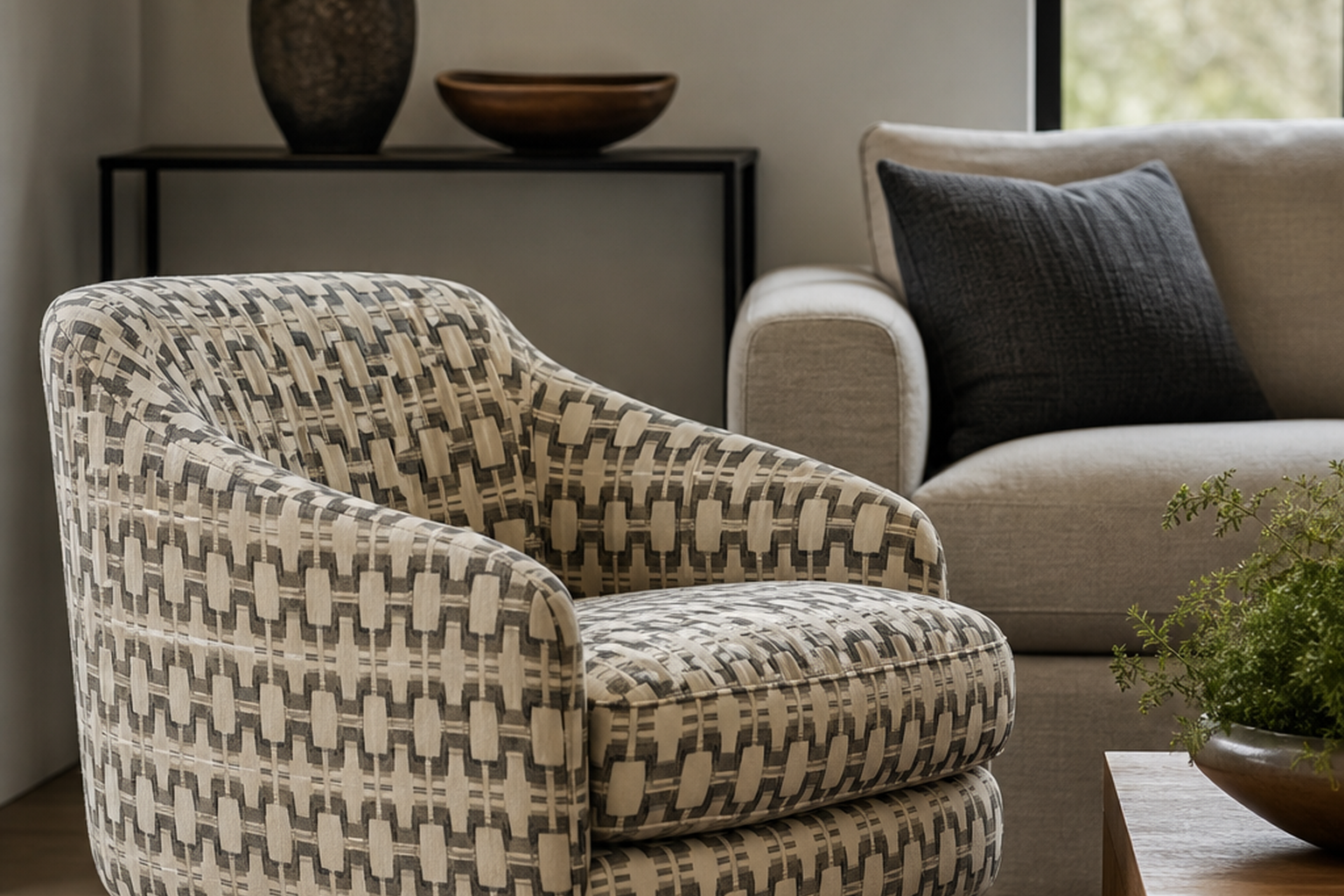
See the fabric as part of the furniture, not just as a swatch.
Plan your project
Plan geometric upholstery around repeat, seam placement, and furniture size.
Use samples and the filtered catalog together: first confirm pattern scale and repeat in the room, then compare exact SKUs for hand, backing, cleaning notes, width, repeat, stock, and yardage.
1
Approve the sample
Check color, hand, texture, and pattern scale in the room.
2
Estimate the project
Use the calculator for a planning range.
3
Confirm details
Review repeat, seams, cushion style, and reserve fabric before ordering.
Yardage calculator
Plan geometric yardage around repeat, motif placement, and seam matching.
Geometric fabric can waste yardage when motifs need centering or matching, so estimate only after scale and repeat are checked on the actual furniture shape.
1Pick the closest project. Seating, cushions, pillows, commercial seats, and accents use different yardage ranges.
2Enter quantity. Multiply repeated pieces before comparing fabric options.
3Adjust details. Pattern, width, cushion style, and fabrication method can change the final amount.
Choose the closest project. If your exact piece is not listed, pick the nearest size and confirm with your upholsterer/workroom.
Enter matching pieces.
Estimated yardage: 20 yards
Estimate includes: project base yardage, quantity, and pattern/detail adjustments.
Planning estimate only. Confirm final yardage before ordering, especially for repeats, welt, seams, unusual frames, or non-standard widths.
Answer-first collection guide
Choose geometric upholstery fabric by pattern scale, repeat, and seam risk
Geometric upholstery fabric should be chosen by pattern scale, repeat, furniture shape, and matching needs. Small geometrics are often forgiving; large patterns need enough surface area and yardage planning so the motif does not break awkwardly across cushions or chair backs.
01
Best for
accent chairs, dining chairs, pillows, benches, headboards, and modern sofas; projects needing pattern without florals or stripes; furniture where scale and repeat can be planned before cutting
Why it mattersPattern scale is the conversion-critical issue here; the same geometric can look sharp on a chair and chaotic on a sofa.
02
Sample checks
Measure motif size against cushion width; Check whether the pattern is directional or railroaded; Plan extra yardage for repeat matching when needed
Why it mattersThese checks turn a pattern preference into upholstery math: repeat size, viewing distance, seam placement, and motif crop.
03
Avoid
large geometrics on small seats without scale testing; high-contrast patterns on curved arms without sample approval; ignoring repeat and direction before yardage
Why it mattersThe avoid list prevents cropped diamonds, misaligned repeats, and pattern buzz on small or curved furniture.
04
Yardage
Confirm repeat allowance, railroad direction, motif centering, cushion layout, and seam matching before ordering.
Why it mattersGeometric yardage is pattern-driven, so calculator estimates need workroom review more than plain solids do.
Filtered product catalog
Know the direction? Browse geometric upholstery fabric products.
Use the guidance above to narrow the room, furniture, and sample checks, then open the full geometric upholstery fabric catalog to compare exact SKUs, prices, stock, colors, and sample options.
A shopper-facing checklist for geometric upholstery fabric: test pattern scale and repeat, compare the sample beside existing finishes, photograph it in daylight and evening light, then confirm hand, backing, cleaning notes, repeat, width, and yardage before ordering.
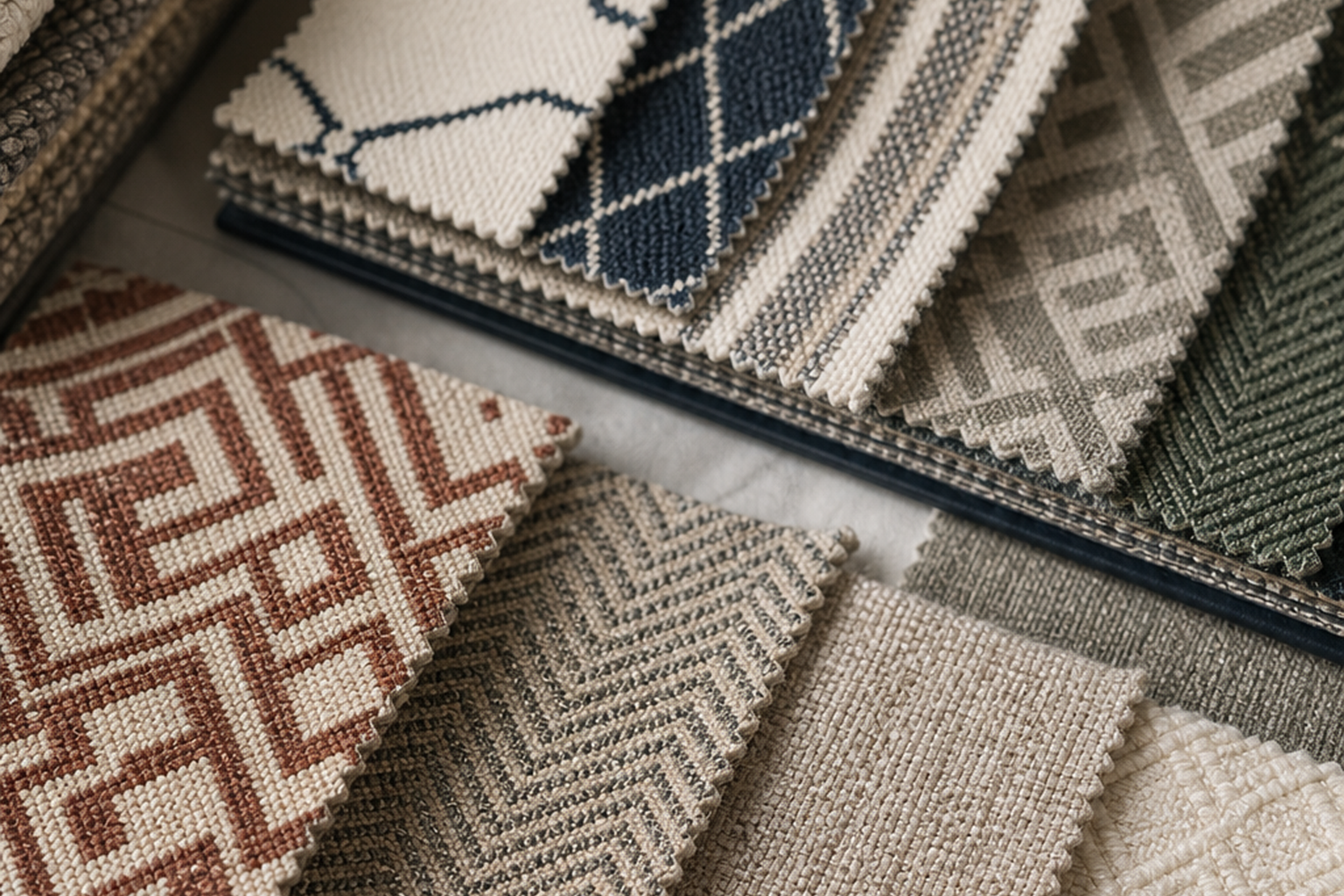
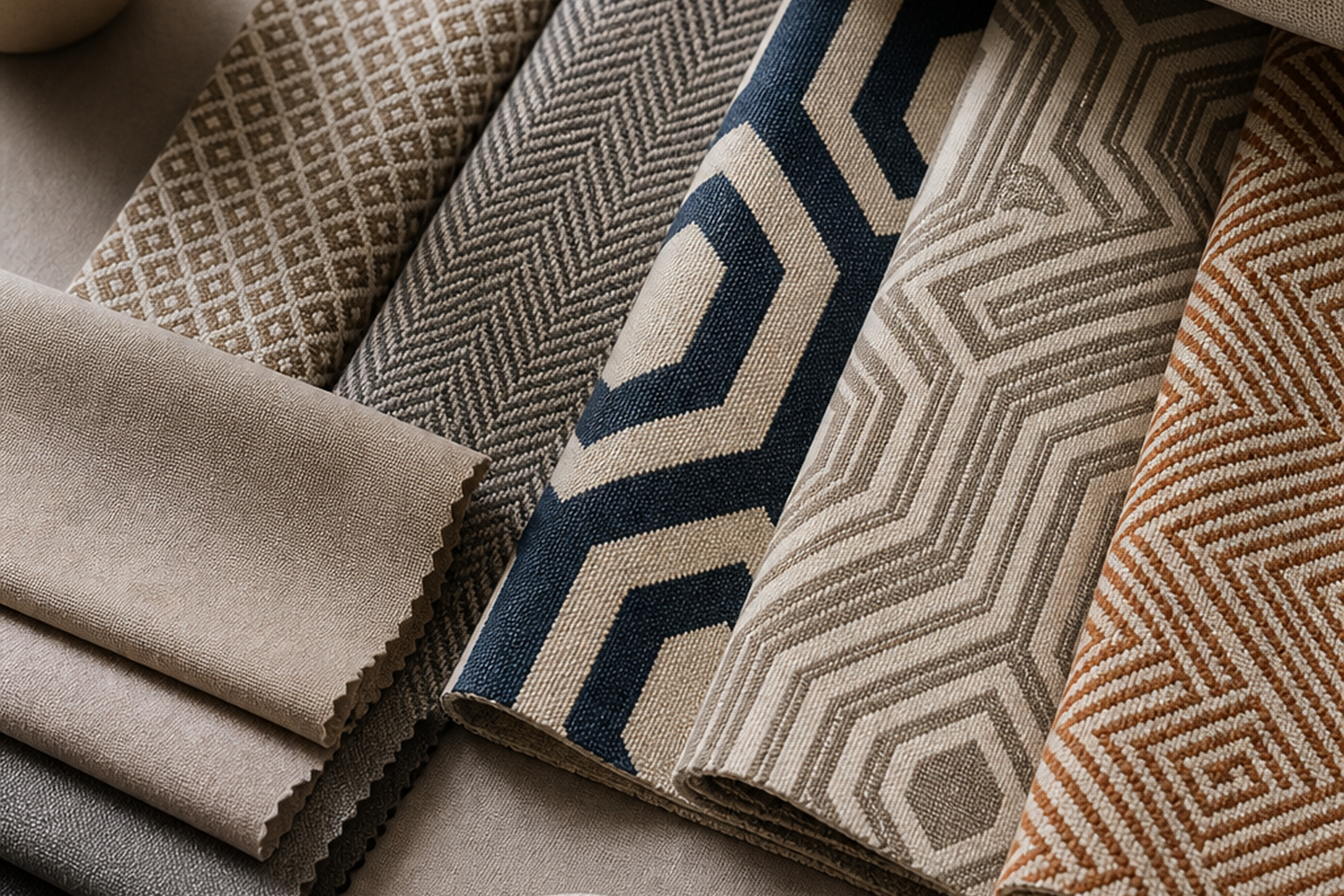
Small, medium, and large geometric pattern comparison
Use this comparison to keep geometric upholstery fabric decisions specific instead of treating every fabric in the catalog as interchangeable.
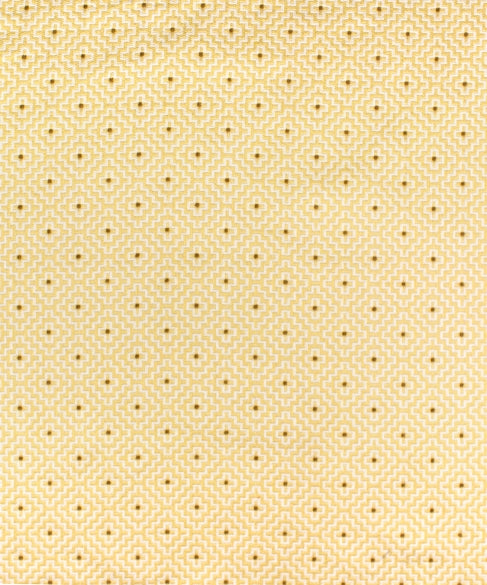
Small-scale geometric
Dining chairs, benches, pillows, tight seats
Watch forCan buzz visually on large sofas
Next stepCheck from across the room
Medium repeat
Accent chairs and ottomans
Watch forSeam matching may affect yardage
Next stepAsk workroom about repeat layout
Large graphic pattern
Statement pieces and simple furniture shapes
Watch forCan crop awkwardly on cushions
Next stepPlan motif placement before ordering
Frequently asked questions
Clear answers before you choose geometric upholstery fabric.
What geometric fabric scale works best on chairs?
Small to medium geometric patterns are usually safer on chairs because the full motif can fit on the seat or back. Large-scale patterns need careful placement.
Can geometric upholstery fabric work on a sofa?
Yes, especially when the scale fits the cushions and the color contrast is controlled. Large repeats may require extra yardage for matching.
What should I check before buying geometric fabric?
Check repeat, direction, motif size, color contrast, and whether the pattern will align across cushions, backs, arms, and seams.
Are geometric fabrics more modern than florals?
Often, but scale and color matter more than the pattern label. A small woven geometric can feel classic, while a bold trellis can feel very contemporary.
How much extra yardage do geometric patterns need?
Large or directional geometric patterns may need extra yardage for matching across cushions, backs, and arms. Confirm repeat and layout with your upholsterer before ordering.
What geometric pattern is easiest to live with?
Small-scale, lower-contrast geometrics are usually easiest because they hide wear and do not dominate the furniture shape.
Ready to shop?
Sample geometric patterns to check scale
Order samples first, compare them in the actual room, then use the catalog and yardage calculator when you are ready to choose final geometric upholstery fabric yardage.